How Does Hearing Loss Impact Outdoor Socializing and Family Gatherings?
Summer in South Texas doesn’t move indoors. It moves to the backyard,


By: Frank Miller, OD, HIS | September 21, 2026
Summer in South Texas doesn’t move indoors. It moves to the backyard, where someone has the grill going by late afternoon and the cooler is already full before the first guests arrive.
Conversations overlap, kids are running around and a ceiling fan somewhere is doing its best against the heat.
It’s loud in the best possible way, and for most people, that’s part of the fun. When you any level of hearing loss, though, being there doesn’t always mean you’re catching everything around you.
A backyard meeting asks a lot of your hearing without making it obvious.
Voices come from different directions, people talk over one another and outdoor noise doesn’t stay neatly in the background. You may miss a comment from across the table or lose track when several people start talking at once.
Group conversations move quickly. One person starts a story, someone interrupts with a joke and another person responds from the other side of the table.
With hearing loss, missing a few words can mean losing the point of the story before the discussion moves somewhere else. By the time you work out what was said, the moment to respond may have passed.
Hearing loss can also change how you take part in the group. You might watch faces more closely, turn toward whoever is speaking or wait longer before joining in.
When two people speak together, it may be difficult to tell which voice to follow. Sometimes you may laugh because everyone else did or stay quiet when you aren’t sure what was said.
Heat, wind and humidity change the sound around an outdoor get-together. A breeze can carry someone’s voice away from you or create extra noise as it moves through trees and patio umbrellas.
Fans are common during South Texas summers, and their steady hum can cover softer parts of speech. Cicadas, nearby traffic and lawn equipment may add even more noise that wasn’t there when the gathering started.
The heat also changes where people spend their time. Guests may move between the patio, yard and air-conditioned house throughout the afternoon.
Conversations that started around one table can quickly spread across several areas. When people are farther apart or speaking from different directions, you may catch only pieces of what they’re saying.
Outdoor spaces don’t control sound the same way an indoor room does. Where you’re sitting and what’s happening nearby can change how clearly another person’s voice reaches you:
Lower voices may remain easy to hear, while higher-pitched voices or softer speakers may get covered by surrounding noise. You might recognize who’s talking but still miss parts of what they said.
Background noise also fills in the brief spaces between words that normally separate one voice from another.
Music, clattering dishes or a television playing nearby can occupy those spaces. That makes speech sound less defined, even when the person speaking hasn’t moved farther away or lowered their voice.
Shared activities often come with instructions and comments that aren’t directed at one person. During a backyard game, someone may announce whose turn is next without looking toward you.
While food is being passed around, a relative might ask for something from the other end of the table. Hearing loss can make these short comments easier to miss because you don’t always know when you need to listen for them.
That can change how much you take part without changing whether you wanted to join in. You might miss that teams have switched, realize everyone has moved on to the next round or not hear an invitation to join another activity.
In those moments, the issue isn’t following a long conversation. It’s missing the brief comments that tell everyone what’s happening.
Not every missed comment carries the same weight. It can be frustrating to realize you didn’t hear a relative share good news or tell a story everyone discusses later.
A quiet comment between you and someone close may also lose some of its meaning when it must be repeated several times.
There can be an emotional reaction in the moment too. You might feel embarrassed about asking again or disappointed that you didn’t catch someone’s words the first time.
Sometimes the other person may mistake a missed response for disinterest. That can create an awkward moment even though the problem was simply that you didn’t hear what was said.
Small changes in the way family and friends talk can cut down on missed words during an outdoor gathering. A few things to try include:
If there’s a speaker, fan or busy road nearby, sitting with that noise behind you may keep it from competing as directly with the conversation. Distance matters as the group spreads out.
A seat near the people you expect to talk with keeps their voices closer instead of carrying across the patio or yard. If you wear hearing aids with directional microphones, facing the people who are speaking also puts their voices where those microphones are designed to pick them up.
Background noise doesn’t have to stay the same throughout a meeting. When everyone sits down to eat or a group discussion gets going, the music can be turned down for a while.
Closing a nearby door can also keep indoor television or kitchen noise from carrying onto the patio. It also helps to listen to sounds that are easy to overlook once you’ve been around them for a while.
A radio playing in the garage, a pool feature or several talks happening around the same table all add sound. Turning off what nobody is using leaves fewer sounds mixed in with the conversation.
When noise covers part of a sentence, watching the person who’s talking can fill in some of what you missed. Facial expressions and lip movements add information that you don’t get from sound alone.
Gestures are useful too. Someone pointing toward the grill while asking a question gives you more context for what they said.
Visual signals also work for short exchanges that might otherwise get lost in the noise. A wave can get someone’s attention before speaking, while a nod can confirm that a comment was heard.
During games or other group activities, pointing or using a hand signal can communicate simple directions without having to call across the yard.
A few missed words at a busy gathering aren’t unusual. When the same things start happening in quieter places or during regular discussions, it may be time to talk with a hearing specialist.
Signs to for include:
Remote microphones and other accessories should be packed too. Family plans for meals, games or activities can be sent in a group text, so you already know what’s planned.
During the gathering, changes can be shared the same way. If dinner moves inside or everyone decides to head somewhere else, send a quick message rather than calling the update across the yard.
People who missed the original conversation will still know where to go and what’s happening next.
Summer gatherings are often the kind of days you look forward to, especially when family and friends have time to stay awhile. Hearing loss doesn’t have to become the focus of those afternoons.
Once you know which parts of an outdoor gathering are harder to hear, you can make a few changes and spend more time enjoying the people around you.
At Hear Now LLC in Texas, we can talk with you about how you’re hearing during cookouts, family visits and other summer plans.
We can also check your hearing and answer questions about what you’ve noticed. Call us today in Brownsville at (956) 676-3338, Harlingen at (956) 578-6551 or McAllen, TX at (956) 331-8928 to schedule an appointment.
Summer in South Texas doesn’t move indoors. It moves to the backyard,
By: Frank Miller, OD, HIS | September 21, 2026
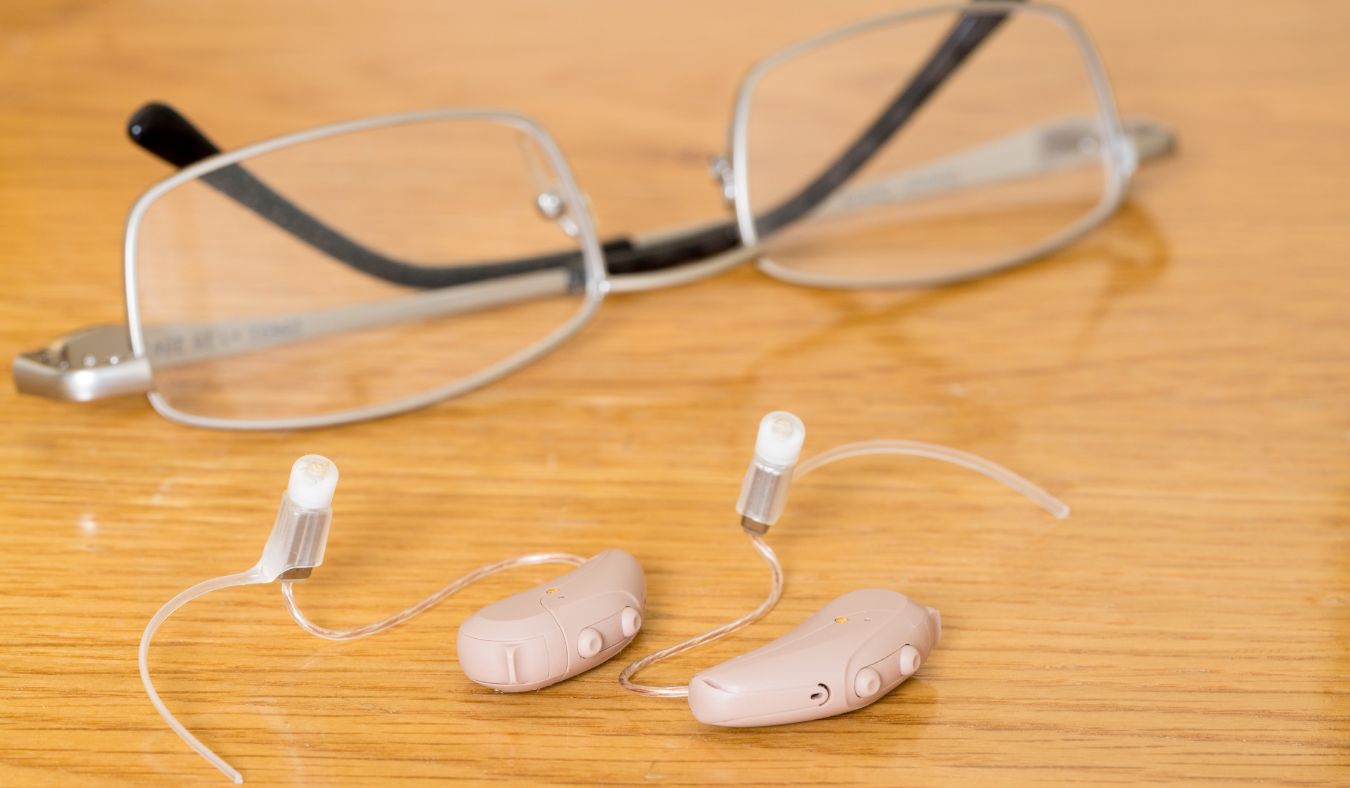
Hearing aids are an important tool for improving everyday communication
By: Jeff Bell, HIS | May 5, 2026